At eCom Edit Fashion East, a one day gathering of fashion and ecommerce leaders, the conversations went well beyond growth tactics and customer experience. What surfaced, especially during the panel I joined, was a more sobering reality. Returns, waste, and regulation are colliding faster than many retailers expected.
Returns and unsellable inventory came up repeatedly, not just as an operational headache, but as something now touching tax exposure, compliance risk, and long term planning. The panel discussion made one thing clear. You cannot manage what you do not track, and you cannot outsource responsibility for where unsellable inventory ends up.
What surprised some attendees was how quickly regulation entered the conversation.

For much of 2025, retail planning has been dominated by tariffs, margin pressure, and sourcing shifts. Extended Producer Responsibility has not always made it onto near term roadmaps. At Fashion East, it became clear that EPR is no longer theoretical, and many retailers are behind simply because attention has been pulled elsewhere.
On the panel, we talked candidly about the gap between intent and execution. Retailers want to do better with returns and excess inventory, but systems were not built for reverse logistics at scale. That gap is how usable goods end up discarded, not due to lack of care, but lack of infrastructure.
This is where solutions like LiquiDonate fit into the real world of retail commerce. Not as a sustainability add on, but as a risk mitigating and financially sound path for handling unsellable inventory. One that creates traceability, defensible documentation, tax benefit, and a clear end of life story for products that cannot be resold.
Why EPR Became a Wake Up Call at the Event
Throughout the day, it became clear that EPR caught some retailers off guard, especially those selling into California or the EU.
California’s Responsible Textile Recovery Act SB 707 introduces the first state level textile EPR program, with real financial penalties for non compliance as rules finalize. Reporting begins as early as 2026, with full requirements ramping toward 2030.
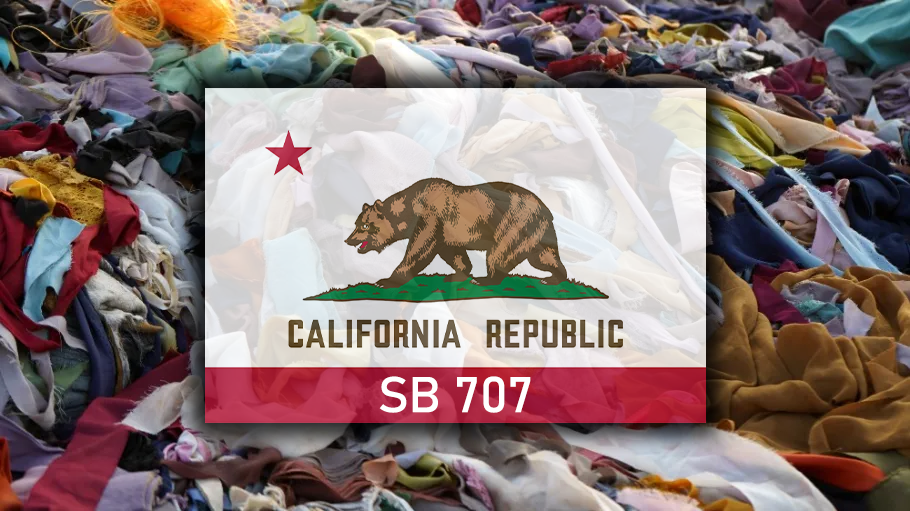
Learn more here.
In parallel, Europe’s textile EPR regulations will require producers and retailers selling into EU markets to fund and manage collection, reuse, and recycling. This creates real implications for cross border ecommerce brands and multi jurisdiction compliance planning.
For many in the room, this was the moment EPR shifted from a future issue to a 2026 planning reality.
The Takeaway for Retailers
Fashion East reinforced a critical point. Returns strategy, waste strategy, tax strategy, and compliance strategy are now the same conversation.
Tariffs may have dominated 2025 planning, but EPR is coming fast. Retailers that start building visibility and infrastructure now will be in a far stronger position than those scrambling later.
The team at LiquiDonate is excited to help retailers move from awareness to action and turn unsellable inventory into a compliant, trackable, and financially smart outcome.
If EPR has not made it onto your roadmap yet, now is the time.