.png)
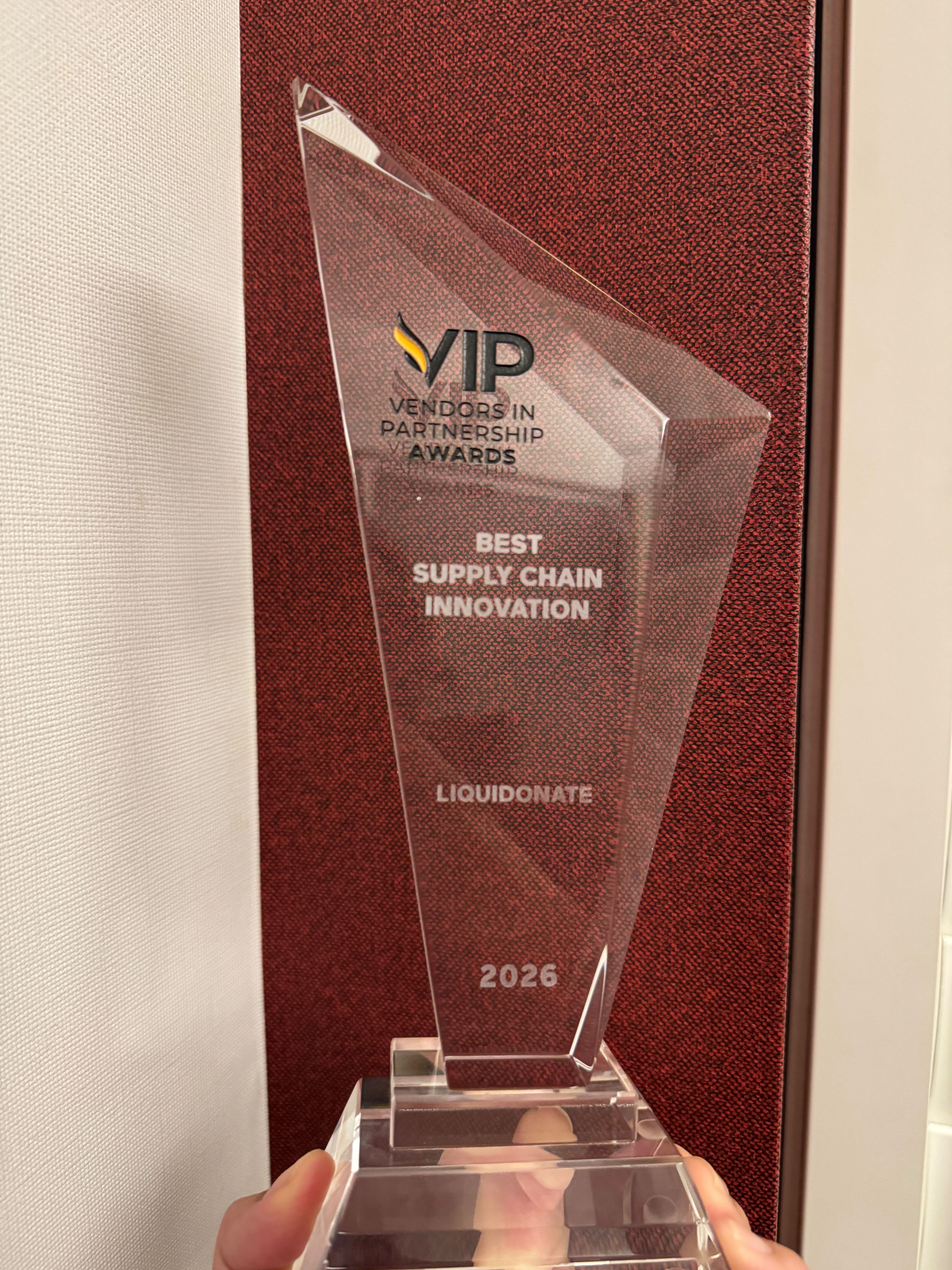
March is Women's History Month, and while we could write about the statistics or the progress still to be made, we thought the better story was a lot closer to home. LiquiDonate is a women-led company, and our CTO, Aisya Aziz, is one of the leaders making that truly mean something. She's the kind of leader who takes anything you throw at her and makes magic happen. Aisya has helped us reach new heights in how we connect retailers with nonprofits and keep returns out of landfills. We sat down with her to talk about her work, her vision, and a few things that might surprise you.
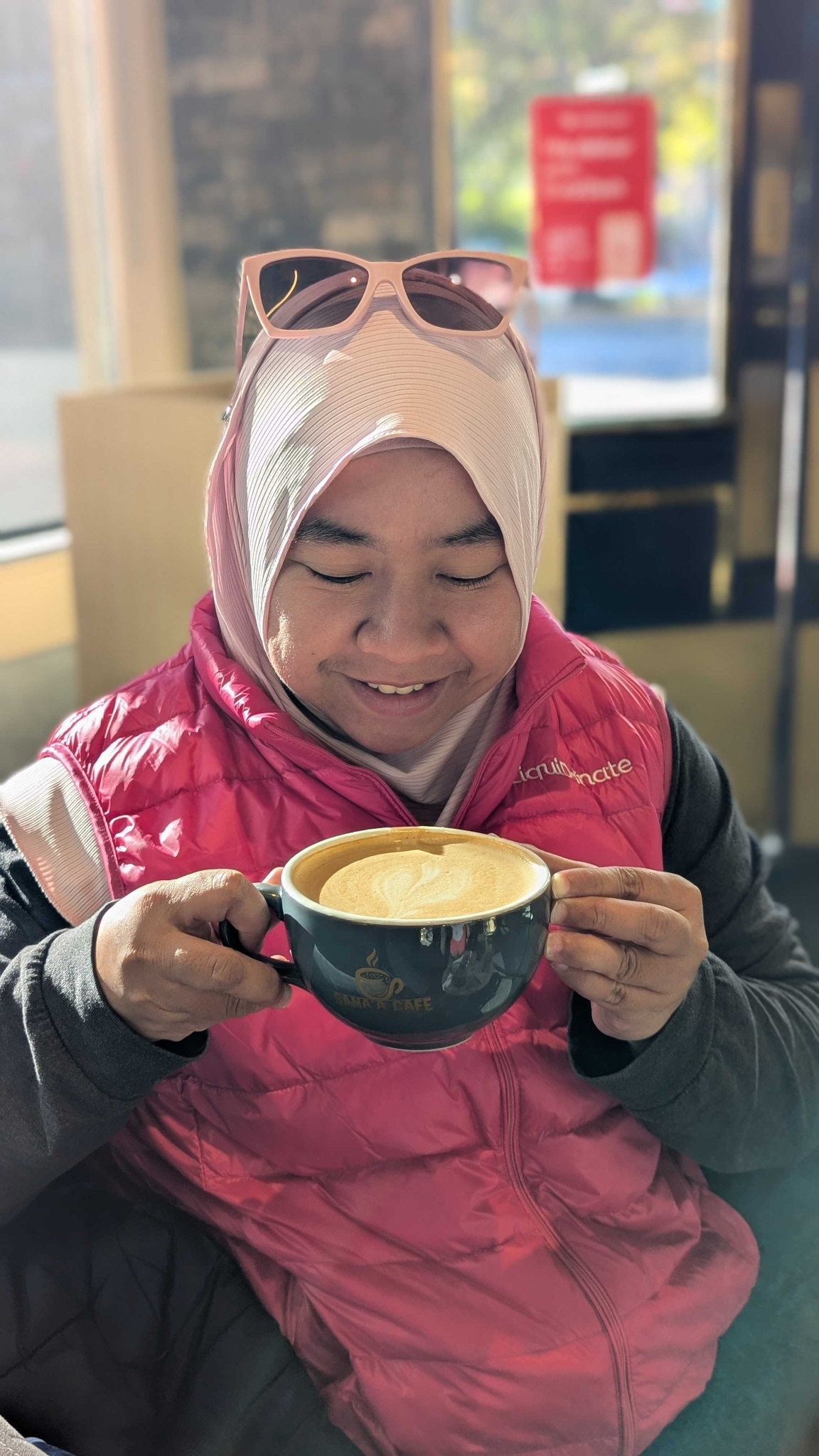
Tell us a little about yourself. Who are you, what's your role at LiquiDonate, and what's your coffee order?
I'm the CTO at LiquiDonate. I lead product and engineering, building the infrastructure that transforms excess inventory and returns into scalable donations. Outside of work, I'm a mom of two cheeky boys, a lifelong learner, and a big believer that being kind doesn't mean compromising on results.
As for coffee… I don't really do coffee. I'm a boba person. I actually found a new spot I really like called HeyTea, and I've already tried three drinks (two bobas and a matcha)–and oh my god, they're just fabulous. I'm fasting right now, but I might consider treating myself tonight after I break my fast.
Walk us through your background. What did your path look like before landing at LiquiDonate?
I built my first website at 7–a simple guestbook that would pop up and say, "Hello, Kirsten!" By 16, I had created iluvbook.com so my friends and I could trade books (and save my dad from buying me a new novel every couple of days). Back when Myspace was a thing, I was the go-to "Myspace fixer"–everyone handed over their password so I could make their pages look cooler.
At the University of Maryland, I realized I was born for this–building, creating, solving problems.
After graduation, I joined my family business, starting as a programmer and eventually leading the software development department. It was a true bootstrap environment–I wore almost every hat imaginable: customer service, sales, development, even government projects–and led initiatives worth millions of dollars. I also pitched and won the startup competition in Malaysia twice and represented Malaysia in Taiwan for The Best ICT Solution for SMB. We were among the early companies building SaaS products at a time when many businesses were still used to custom in-house systems, so a big part of our work was helping shift that mindset.
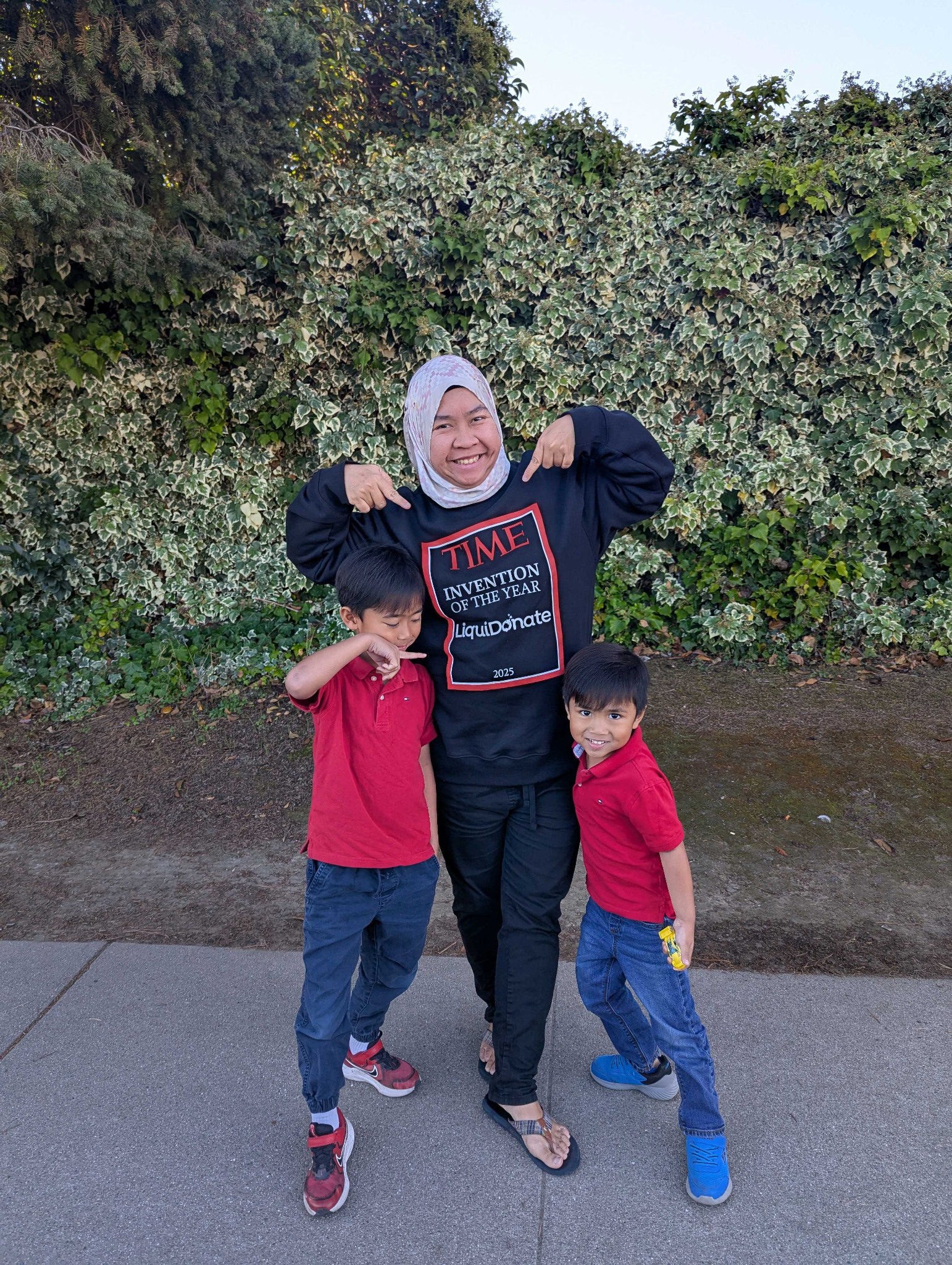
During the pandemic, while expecting my second child, I decided it was time to level up. I pursued my Master's at Carnegie Mellon to deepen my understanding of startups and product building. After graduating, I knew I wanted to be in a startup environment where I could make a real difference–and when I found LiquiDonate, I lit up. This is exactly the kind of problem I want to spend my time solving.
What drew you specifically to the retail returns and reverse logistics space?
Truthfully, I wasn't specifically looking at retail returns or reverse logistics–but my past experience with point-of-sale systems, inventory management, and nonprofit operations gave me a natural connection to the space. What really drew me in was the genius of the product: returns are inevitable, reverse logistics is unavoidable, but to turn what would be a loss into a way to give back–and even get a tax benefit in the process–that's just brilliant. It's the kind of idea that's simple, practical, and impactful all at once.
What does your role as CTO actually look like day-to-day? A lot of people might picture a CTO buried in code–what does it really mean at a company like ours?
Some days I am buried in code–startup life, you can't really escape that! But a big part of my role is also about prioritizing, simplifying, and listening. You can't make the right trade-offs if you don't understand what's really happening, and you can't simplify complex systems without knowing what truly matters.
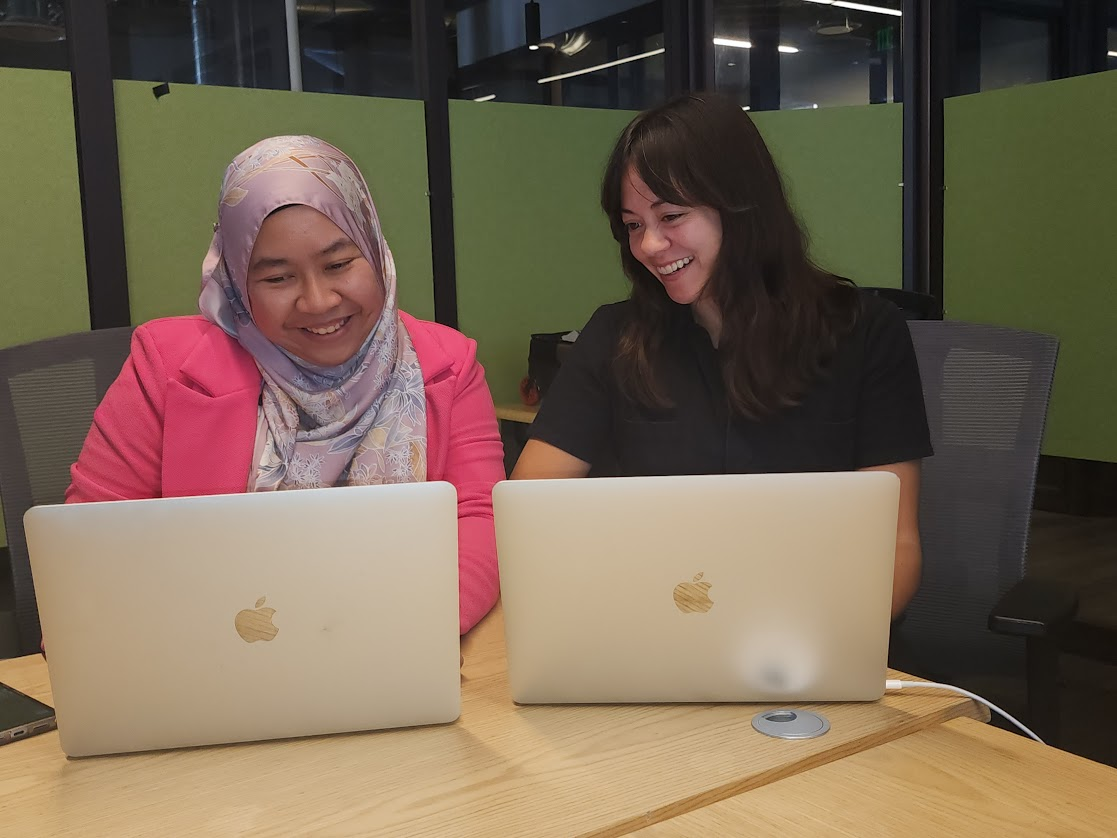
I'm constantly weighing risk versus impact versus resources. At LiquiDonate, the product isn't just software–it intersects with logistics, operations, and nonprofit partnerships. So my job isn't only about building product; it's about cutting through noise, streamlining operations, and making sure the entire system runs smoothly. At the end of the day, it's about making sure our team can move fast, our systems work seamlessly, and our mission–turning excess inventory into meaningful nonprofit impact–actually happens.
What's the most complex challenge you've helped LiquiDonate tackle?
Integrations are usually the messiest challenges. In your core technology, you have control–you know the system, the code, and the constraints. With integrations, you're coordinating across multiple parties, each with their own processes, assumptions, and priorities. It's not just code; it's people, operations, and technology all interacting, and the complexity comes from making that whole ecosystem work seamlessly.
What's a win you're most proud of? Something where you thought, "we actually DID that"?
I have two.
The first was a recent donation of a dishwasher. Reading the feedback from the nonprofit completely lit up my day: "I sometimes don't think regular everyday people understand that this is epic for some of our families that struggle. Their reaction is priceless–it says if they just won the lottery. Thank you for all that you do!" Moments like that make all the hard work worth it.
The second was a project I was closely monitoring where a package was supposed to travel over 5,000 miles–but our MagicMatch algorithm found a nonprofit just 5 miles away. We saved over $10 in shipping costs for the retailer, got the item to a nonprofit who needed it instead of a landfill, and reduced CO2 emissions in the process.
We see this kind of outcome more often now, but that moment was the first time I got to watch it happen in real life and think, "We actually DID that." It perfectly captured what our product makes possible: real impact, in multiple ways, from one thoughtful connection.
What's something nobody tells you about being a CTO at an early-stage startup that you had to learn the hard way?
Early-stage startups are messy. We often hear about using data before building, but the truth is that with a brand new product or solution, there often isn't much data to begin with. So we have to make informed assumptions, experiment, and learn quickly as we build. I've learned to embrace that uncertainty–staying adaptable and making decisions even when everything isn't perfectly clear. That's often when real progress happens.
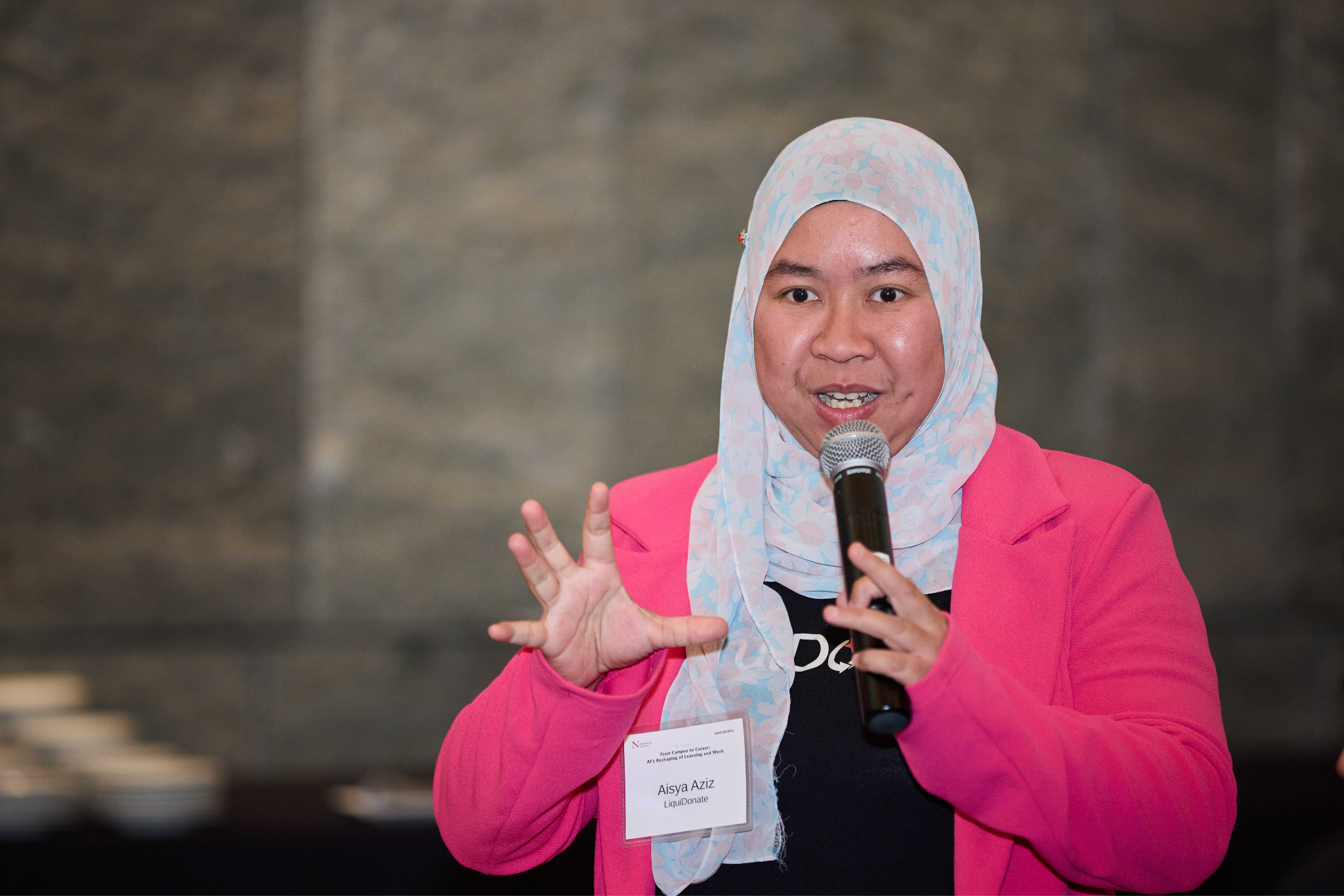
And on the upside, it's also incredibly energizing. You get to experiment, build, and focus on solving real problems without too many layers slowing you down.
What's something people would be surprised to learn about you?
People might be surprised to learn that I'm unassuming but resilient. Many assume I'm soft-spoken or "the quiet type," but I approach challenges thoughtfully–listening and understanding before I dive in–and then pushing through when it matters. I remember one of my first recommendation letters, from my basketball coach at UMD, where he said he didn't expect me to play the way I did. I like to think I can be soft when it counts, but I'm also someone who adapts, perseveres, and gets things done.
Who has had the biggest influence on your life?
I know this might sound cliché, but the biggest influence in my life has been my mom. Growing up, I thought she was incredibly strict–but now I see that's exactly why I am where I am today. She was a math teacher who retired as a high school principal, and on top of her full-time role, she would teach each of us four siblings after school, every single day of the week. Even during school breaks, she'd say that was the time to "power up" and get ahead.
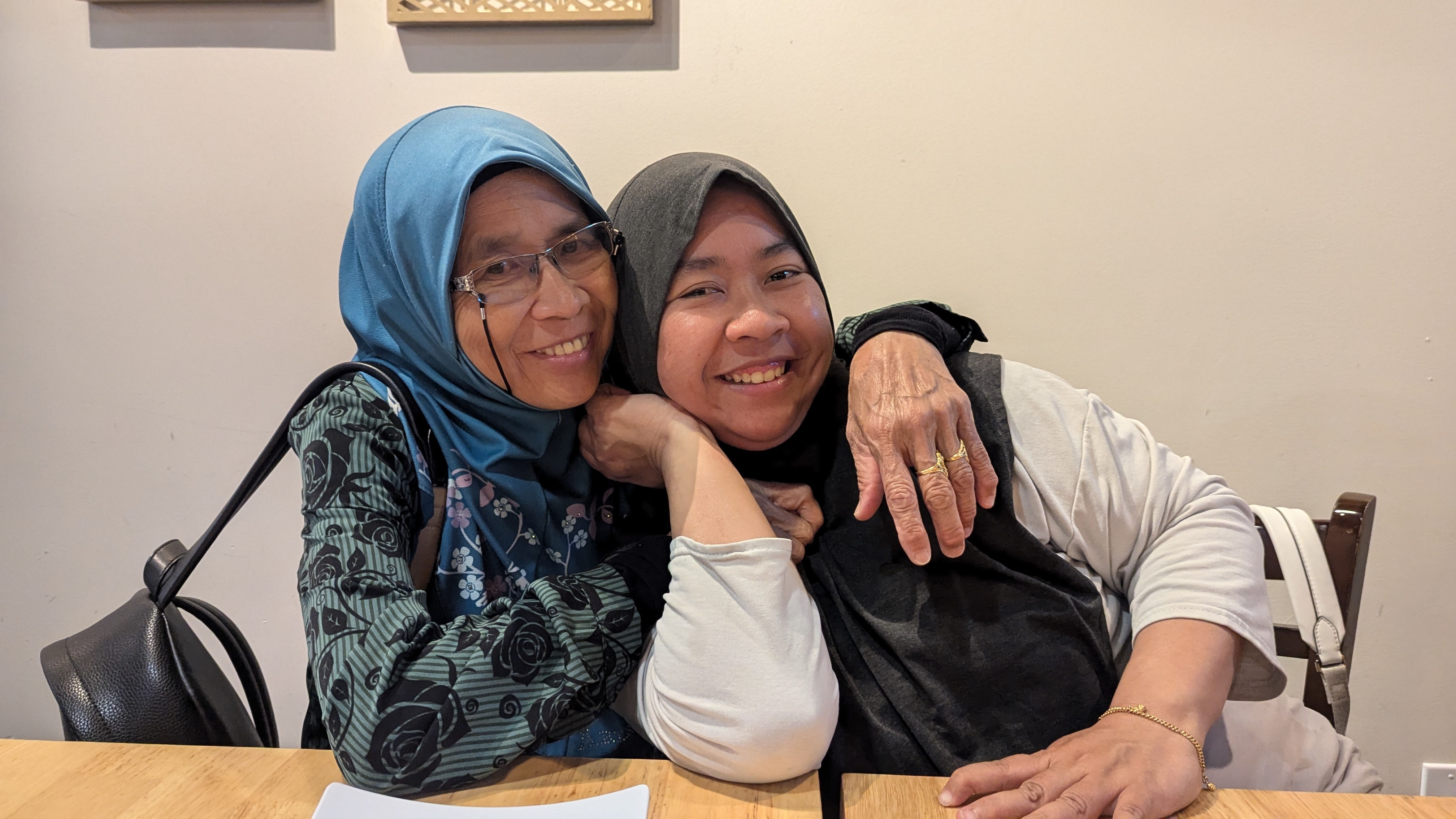
I used to complain about never having a break–but what I learned from her was resilience, discipline, perseverance, and the value of hard work. She showed me how to push through challenges and always give my best. I honestly wouldn't be where I am today without her example. And some of my after-school study friends from those days remain among my closest friends even now–a reminder of how much shared effort and learning can shape relationships for life.
If you had a crystal ball–or, you know, a really good algorithm–where do you see retail tech heading in the next 3–5 years?
Retail tech is going to get hyper-personalized, automated, and purpose-driven. We're in an AI boom, but we haven't seen AI being used much in the retail space yet. AI and data will make everything smarter–from predicting what customers want to streamlining inventory and reducing returns.
With Gen Z prioritizing sustainability, we'll see more tech focused on impact, not just profit–using returns and excess inventory in ways that benefit communities instead of filling landfills. And as logistics and operations get more intelligent, retailers will be able to move faster, make smarter decisions, and connect more meaningfully with customers and partners.
Okay, be honest–what's your hottest take on the tech industry right now? Something you'd say at a conference and watch half the room squirm.
I don't think we should let AI peer review our code. AI can write our code for us–but you should still review it yourself.
Last one: if your life had a theme song, what would it be?
This is a tough one. I'm between Titanium by Sia and Golden by Huntrix/Kpop Demon Hunters. Titanium feels like me when I need to be resilient and keep pushing through challenges. Golden has that energy and momentum that reminds me to just dive in and go for it. Both feel like the soundtrack to how I live and work.
If there's one thing talking to Aisya makes clear, it's that the future of retail is in good hands and good hearts. From MagicMatch algorithms to dishwashers that make families feel like they won the lottery, this is what it looks like when brilliant women build with purpose. If you're a brand that wants to be on the right side of the returns conversation, we'd love to have you along for the ride. Learn more about what we're building at LiquiDonate.


.png)